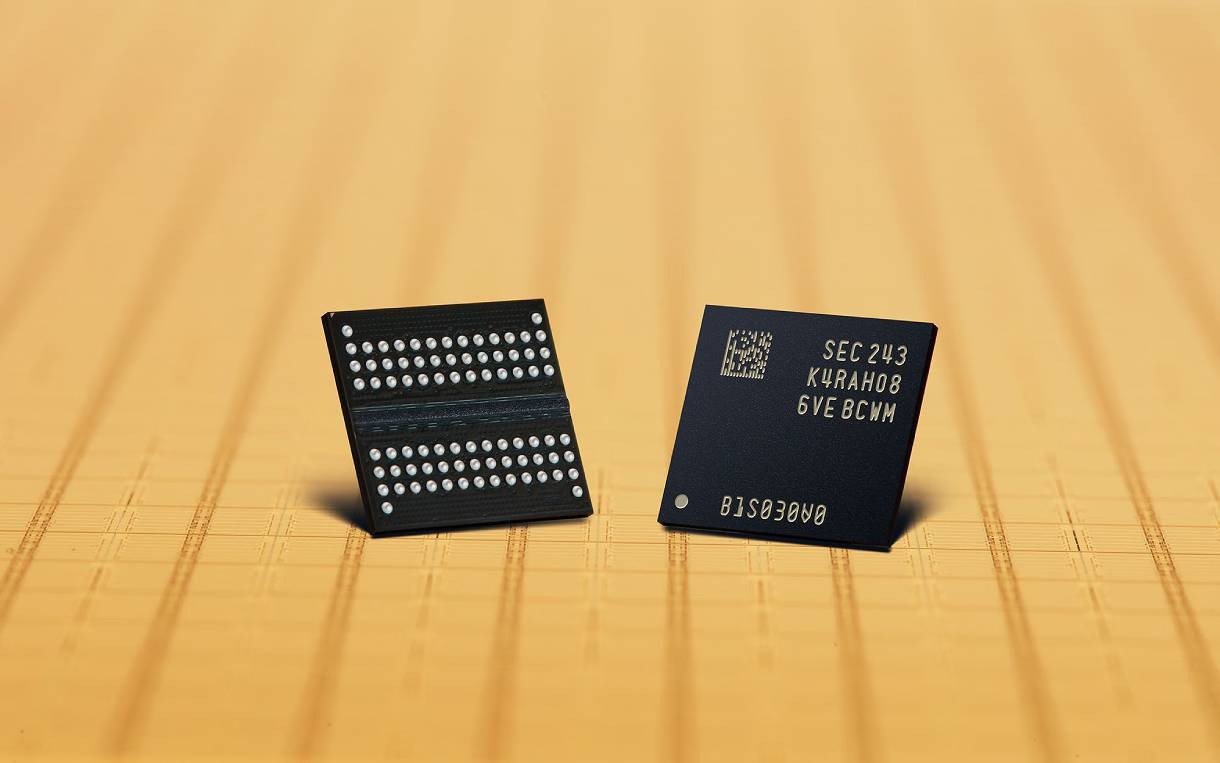
Samsung Handing Off All DRAM to Focus on AI Memory
Samsung plans to outsource all DDR5 production to partners in India, Vietnam, and the Philippines, converting in-house lines entirely to HBM for AI.
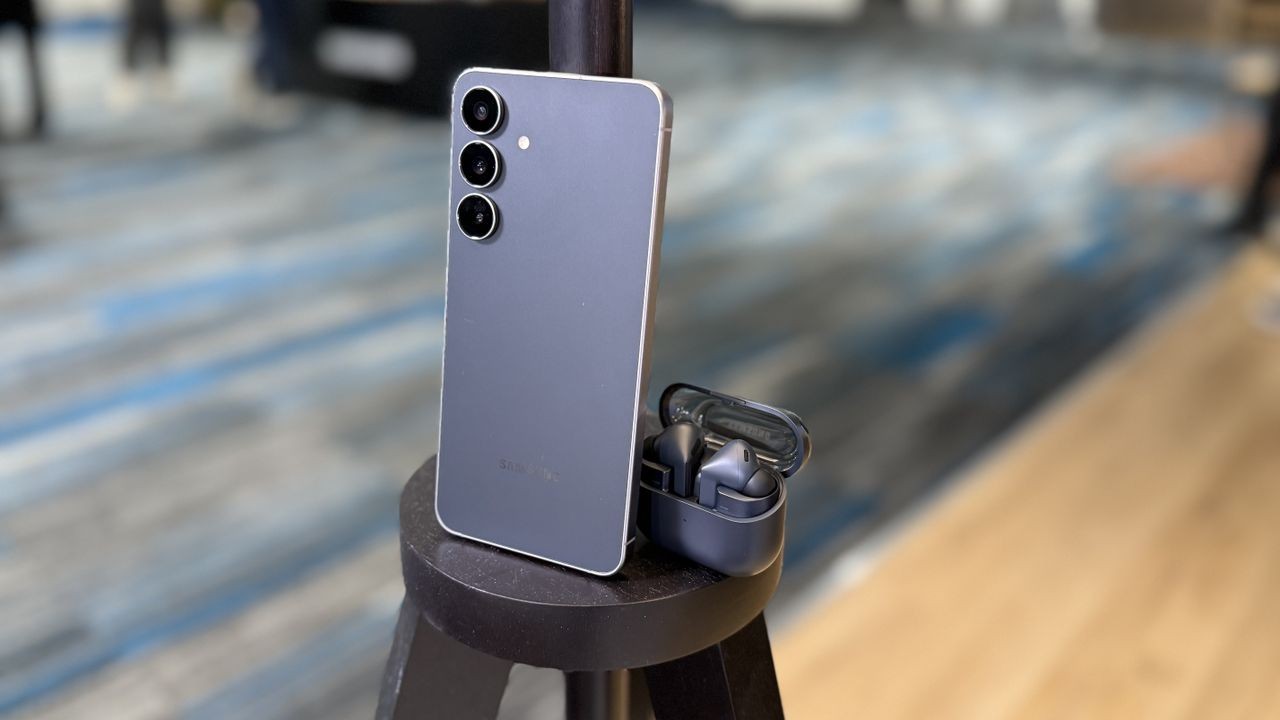
The sub-$400 smartphone could become an endangered species. New research from multiple analyst firms warns that soaring memory chip prices — driven almost entirely by insatiable AI infrastructure demand — will force manufacturers to either raise prices or abandon the budget segment altogether through the rest of 2026.
The core problem is straightforward: the same DRAM and NAND chips that go into smartphones also go into AI training clusters and data center GPUs, and the AI side is willing to pay far more. That demand imbalance has driven component costs sharply upward, with RAM module prices reportedly surging from roughly $20 to over $100 per unit in the span of a year.
For flagship phones, manufacturers can absorb or pass along the increase — a $50 bump on a $1,200 device barely registers. But for a $250 phone, where margins were already razor-thin, that same increase in component cost is existential. Manufacturers cannot raise the price of a budget phone by 30% without destroying the value proposition that defines the category.
The pressure falls disproportionately on brands that live in the mid-to-low tier: Motorola, Xiaomi's Redmi line, Samsung's Galaxy A series, and the wave of regional OEMs that serve emerging markets. Samsung's mobile division warned earlier this year of a potential first-ever annual loss precisely because of this dynamic — even with strong Galaxy S26 sales, rising component costs were erasing margins.
|
Galaxy S26
Samsung | |
|---|---|
| Screen | 6.20 inches |
| Chipset | Snapdragon 8 Elite Gen 5 for Galaxy |
| RAM / Storage | 12 GB / 256 GB |
| Main Camera | — |
| Battery | 4000 mAh |
| Size / Weight | 147.0×70.4×7.2 mm · 167 g |
Nothing CEO Carl Pei put hard numbers on the crisis in June, revealing that RAM now accounts for more than half of a smartphone's total hardware cost. His blunt assessment — that phone prices could climb 30% or more — is playing out in real time across product lines. Even Nothing's just-launched Phone (4b) reflects the pressure, with the company opting for a 6,000mAh battery and current-gen Snapdragon to keep the value story intact despite rising component costs.
New memory capacity takes 18 to 24 months to come online from the point of investment, and chipmakers have little incentive to prioritize smartphone-grade modules when AI buyers pay a premium. Next-generation alternatives like LLW DRAM are being explored by Huawei and Xiaomi, but those solutions are at least a year from reaching production devices.
For consumers in markets where a $200 phone is the entry point to the internet, the timing is particularly bad. The budget smartphone was one of the most democratizing technologies of the past decade. If component economics make it unviable, the people who can least afford a price increase are the ones who will feel it most.
Samsung plans to outsource all DDR5 production to partners in India, Vietnam, and the Philippines, converting in-house lines entirely to HBM for AI.
Everyone expected Apple's foldable to drain Samsung's market. In South Korea, the opposite happened — and it wasn't loyalty that decided it.
Samsung's chip division is negotiating 7–10% price hikes on already-record memory prices. Chinese OEMs first, Apple in Q4.
Apple is redesigning its retail stores with dedicated Genius Bars returning, new pickup counters, and overhauled Avenue sections, per Bloomberg.
Organize your favorites into collections
Loading collections...
No collections yet. Create your first collection!