Every Major Phone Brand Is Building a Wide-Screen Phone
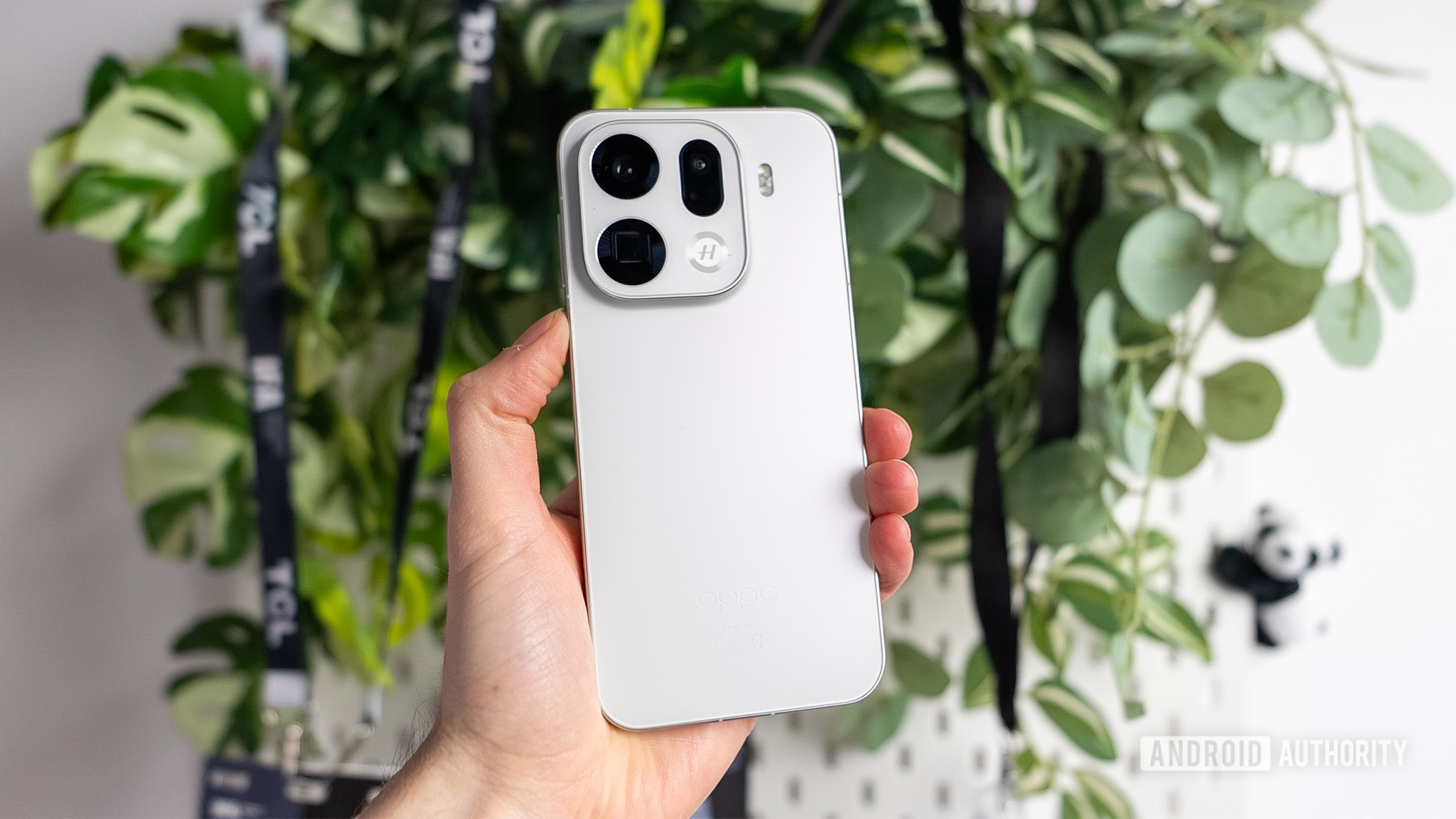
Samsung, Oppo, Vivo, and Xiaomi are all building wide-screen phones. Huawei started the trend — now every major brand is following.

Smartphone memory is about to get its biggest overhaul in years. Huawei and Xiaomi are reportedly planning to adopt Low Latency Wide (LLW) DRAM — a new memory type inspired by the HBM chips powering data center AI — in their phones by late 2027, according to a TrendForce report published this week.
The move comes as phone makers push to run larger AI models directly on devices rather than relying on cloud processing. Current LPDDR5X memory, the standard in flagship phones, handles conventional tasks well but struggles with the sustained bandwidth demands of local large language models.
Running an LLM on a phone requires constant data streaming between memory and processor. LPDDR5X tops out at around 8.5GB/s per channel, and even with multi-channel configurations, the memory bus becomes a chokepoint when AI models need to load and process billions of parameters in real time. The result: slower responses, higher power draw, and thermal throttling that degrades performance over sustained use.
This is the same memory cost pressure that has already pushed Samsung's mobile division toward its first-ever annual loss, as AI-driven demand inflates DRAM prices across the industry. The bottleneck is not just economic — it is architectural.
LLW DRAM borrows its core concept from HBM (High Bandwidth Memory), the stacked memory standard used in data center GPUs and AI accelerators. Instead of sitting on a separate bus like traditional LPDDR, LLW memory integrates vertically with logic circuits and sits directly atop or alongside the application processor within the system-on-chip package.
Samsung, which first detailed the technology at ISSCC 2025, claims LLW DRAM delivers 128GB/s of bandwidth — roughly 1.5 times what LPDDR5X manages — while cutting power consumption by 50 percent to just 1.2 picojoules per bit. The compact stacked design also reduces the physical footprint, leaving more room for batteries or other components.
Chinese OEMs are moving first. According to TrendForce, both Huawei and Xiaomi are targeting the second half of 2027 for their first LLW-equipped devices, though specific models have not been named. Samsung itself has indicated a 2028 timeline for its own mobile products using what it calls LPW (Low Power Wide IO) DRAM — the same technology under a slightly different label.
The gap between Chinese and Korean adoption timelines likely reflects different supply chain dynamics. Huawei, which has been building its own semiconductor ecosystem under US sanctions, may be sourcing LLW DRAM from domestic Chinese manufacturers rather than Samsung or SK Hynix.
For consumers, the shift will not arrive overnight. Expect LLW DRAM to debut in ultra-premium flagships first, with broader adoption trickling down to mid-range devices over subsequent generations — much like the transition from LPDDR4 to LPDDR5 played out between 2020 and 2023.
Samsung, Oppo, Vivo, and Xiaomi are all building wide-screen phones. Huawei started the trend — now every major brand is following.
The Wireless Power Consortium is developing a 50W Qi wireless charging standard with input from Apple, Google, Xiaomi, and Huawei, expected by 2028.
Xiaomi's version auto-detects shoulder-peeking, triggers per app, and drops side brightness to 1%. Launches September 23 in China.
Apple matched Samsung at 34% European market share in Q2. Xiaomi, Oppo, and Honor all declined as the memory crisis squeezes Android pricing.
Organize your favorites into collections
Loading collections...
No collections yet. Create your first collection!