Samsung Handing Off All DRAM to Focus on AI Memory
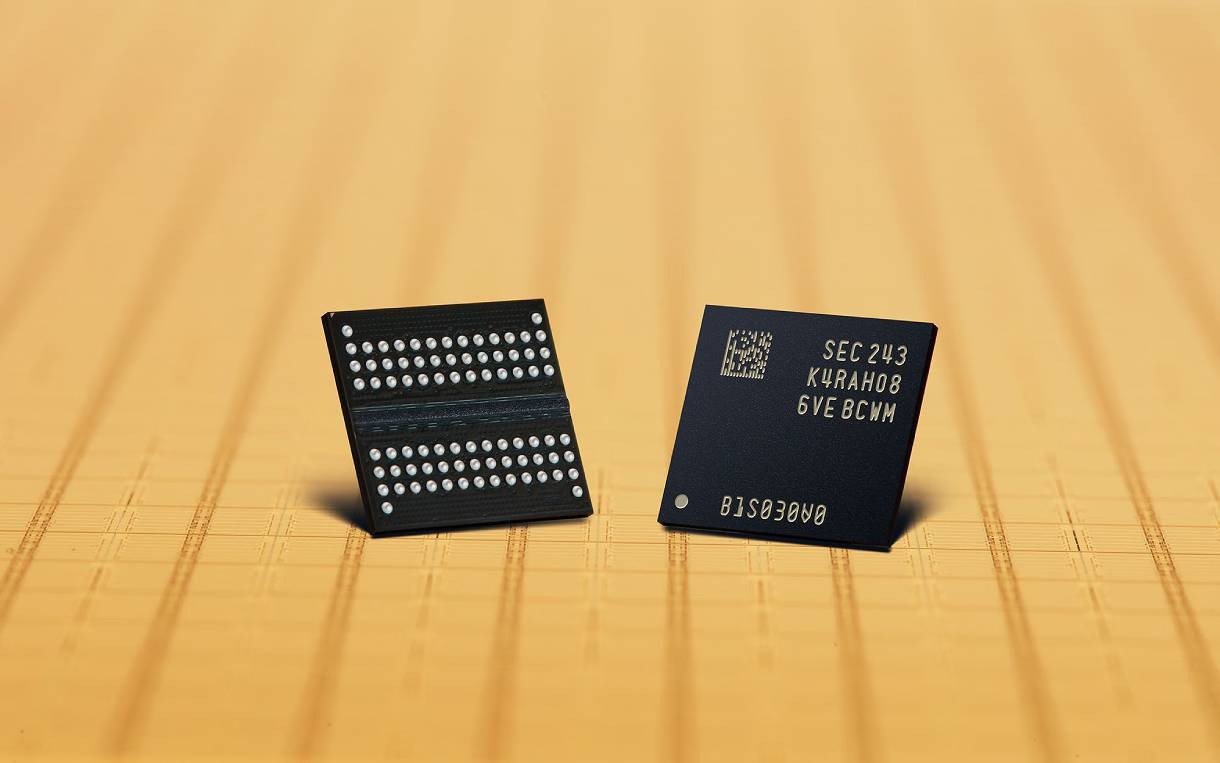
Samsung plans to outsource all DDR5 production to partners in India, Vietnam, and the Philippines, converting in-house lines entirely to HBM for AI.
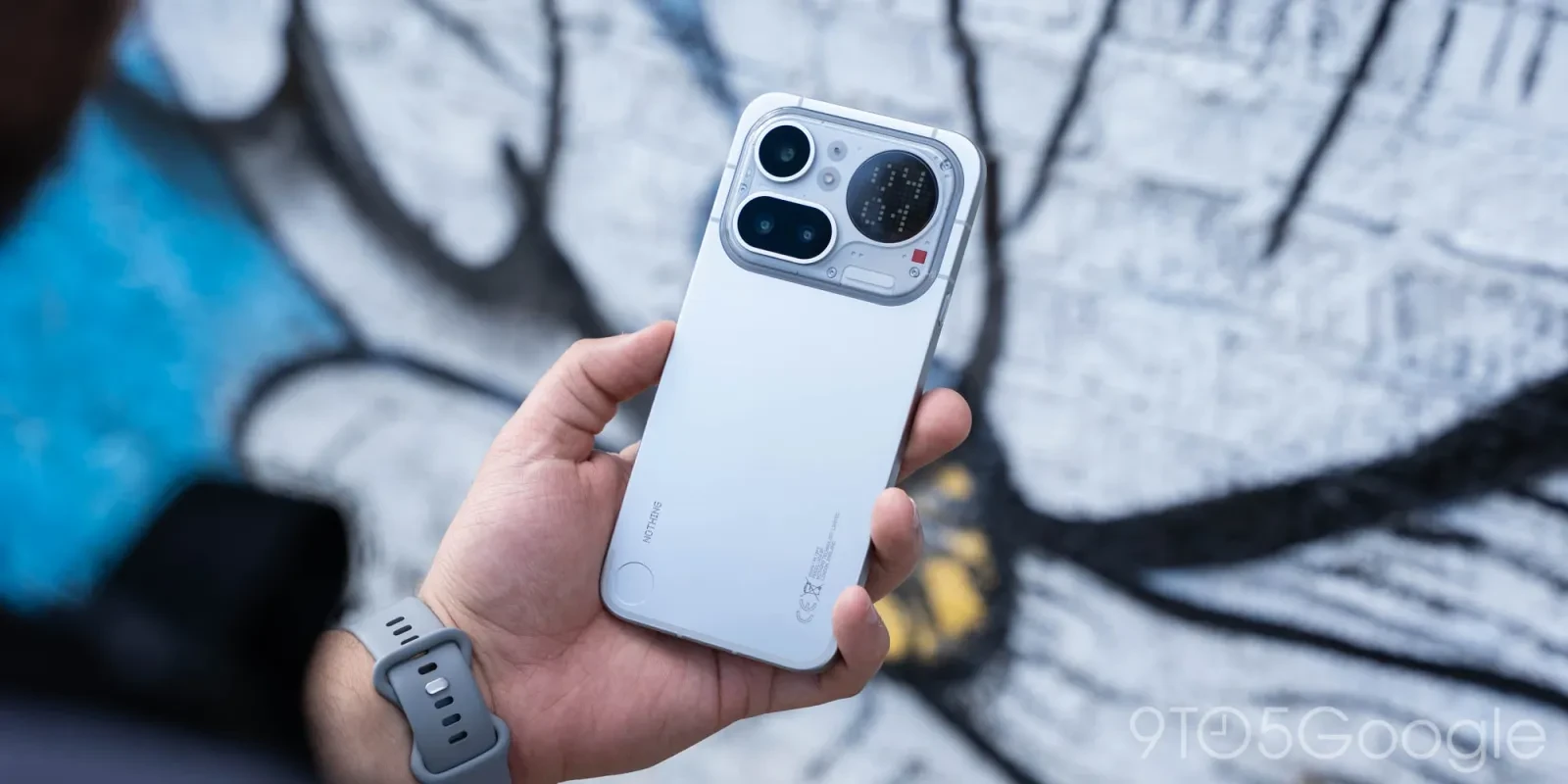
RAM is now the single most expensive component in a smartphone — more than the processor, more than the display. Carl Pei, co-founder and CEO of Nothing, laid out the numbers in a series of posts on X this week, and they paint an uncomfortable picture for anyone hoping phone prices would hold steady.
According to Pei, RAM modules that cost roughly $20 per unit last year will exceed $100 by the end of 2026. Some memory components have already seen prices climb 300%. The cause is straightforward: the AI industry is consuming vast quantities of DRAM and NAND flash for training and inference workloads, and smartphone manufacturers are competing for what remains.
The most striking claim is that memory now accounts for more than 50% of a smartphone's total hardware cost. That reverses the traditional cost hierarchy, where the system-on-chip and display typically led the bill of materials. When a single component crosses the 50% threshold, it fundamentally changes the economics of building a phone.
For manufacturers, the math leaves two options: raise retail prices by 30% or more, or cut costs elsewhere to hold the line. Neither is painless. Price increases risk suppressing demand in a market that is already saturated in key regions. Cost-cutting means thinner margins, cheaper materials, or fewer features — exactly the trade-offs buyers notice.
Pei's warning echoes what is already playing out at Samsung. The company's mobile division chief warned earlier this year of a potential first-ever annual loss for the MX division, directly attributing the squeeze to soaring memory costs. Samsung's situation carries an extra layer of irony: its semiconductor arm profits from the same high prices that are crushing its phone business.
The crisis is not confined to one brand. Every phone maker sourcing DRAM and flash storage faces the same cost pressure. Chinese manufacturers like Xiaomi, Oppo, and Vivo — which compete aggressively on price — have even less margin to absorb the hit. Pei's public transparency is unusual for a CEO, but the problem he describes is industry-wide.
Pei's message to consumers was blunt: do not expect heavy discounts during the next sales season. AI-driven demand for memory chips shows no sign of slowing, and new fabrication capacity takes years to come online. The phones launching in late 2026 and into 2027 will reflect these higher component costs, whether through sticker shock or spec-sheet compromises.
For the average buyer, the practical impact depends on the segment. Flagships that already command $1,000 or more have room to absorb some cost increases without crossing a psychological threshold. The mid-range — phones in the $300 to $600 bracket where margins are thinnest — is where the squeeze will hit hardest.
The first concrete casualty arrived on June 19: Nothing's own CMF sub-brand canceled the CMF Phone 3 Pro entirely, with co-founder Akis Evangelidis confirming the company could not deliver a meaningful upgrade at a budget price point.
Samsung plans to outsource all DDR5 production to partners in India, Vietnam, and the Philippines, converting in-house lines entirely to HBM for AI.
Everyone expected Apple's foldable to drain Samsung's market. In South Korea, the opposite happened — and it wasn't loyalty that decided it.
Samsung's chip division is negotiating 7–10% price hikes on already-record memory prices. Chinese OEMs first, Apple in Q4.
Apple is redesigning its retail stores with dedicated Genius Bars returning, new pickup counters, and overhauled Avenue sections, per Bloomberg.
Organize your favorites into collections
Loading collections...
No collections yet. Create your first collection!