Samsung Handing Off All DRAM to Focus on AI Memory
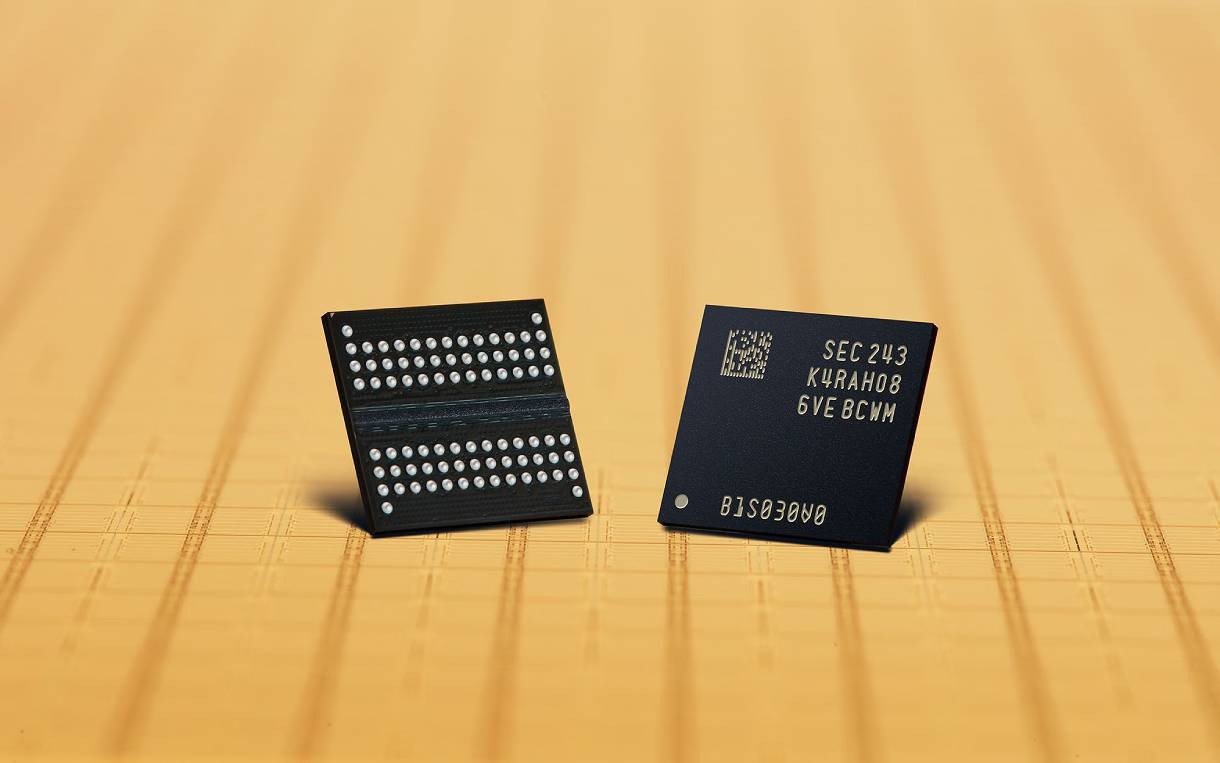
Samsung plans to outsource all DDR5 production to partners in India, Vietnam, and the Philippines, converting in-house lines entirely to HBM for AI.
Samsung's mobile division is bracing for what could be an unprecedented blow. According to multiple reports, Samsung MX Division Head Roh Tae-moon has warned internally that the company's mobile business may record its first-ever annual loss in 2026, driven by surging memory chip prices that are squeezing smartphone margins across the industry.
The warning comes despite the Galaxy S26 series posting impressive sales numbers. The problem isn't demand — it's the cost of components. As AI workloads continue to consume an ever-larger share of global RAM production, the price of memory chips used in smartphones has skyrocketed. Samsung's mobile division, which builds the phones, is a separate profit center from its semiconductor business, which actually benefits from higher chip prices.
This creates a painful irony: Samsung's chip division is posting record-breaking profits while its phone division bleeds money. The company's internal projections, first reported by Money Today, suggest the situation could worsen through the year as AI-driven memory demand shows no signs of slowing.
Compounding the company's challenges, over 40,000 Samsung workers staged a massive strike at the company's semiconductor fabrication plant in Pyeongtaek, South Korea. Described as the largest labor rally in Samsung's history, the action reportedly prompted the deployment of traffic control and riot police to the area.
The strike underscores the tension between Samsung's record semiconductor profits and the working conditions at its manufacturing facilities. While the semiconductor division enjoys booming demand, workers are pushing for better compensation and conditions.
Samsung isn't the only smartphone maker feeling the squeeze. The RAM crisis affects the entire mobile industry, with manufacturers forced to either absorb higher component costs or pass them on to consumers through price increases. Samsung's position is uniquely visible because it reports divisional results separately, but competitors like Xiaomi, OnePlus, and others face similar margin pressure.
Nothing CEO Carl Pei has since put hard numbers on the crisis, revealing that RAM modules have surged from $20 to over $100 per unit and now account for more than half of a smartphone's hardware cost. His warning that phone prices could climb 30% or more confirms the pressure Samsung flagged months earlier.
For consumers, this could mean higher smartphone prices across the board in the second half of 2026, particularly for devices with large RAM configurations that have become standard for flagship and upper mid-range phones. On the technology side, Samsung and Chinese OEMs like Huawei and Xiaomi are already exploring LLW DRAM as a next-generation replacement for LPDDR, promising higher bandwidth at lower power — though the first devices are not expected until late 2027.
Update: Samsung's Q2 2026 earnings have since confirmed the worst-case scenario, with the mobile division posting its first-ever quarterly operating loss of KRW 700 billion — even as the company reported record overall profit of KRW 89.5 trillion.
Samsung plans to outsource all DDR5 production to partners in India, Vietnam, and the Philippines, converting in-house lines entirely to HBM for AI.
Everyone expected Apple's foldable to drain Samsung's market. In South Korea, the opposite happened — and it wasn't loyalty that decided it.
Samsung's chip division is negotiating 7–10% price hikes on already-record memory prices. Chinese OEMs first, Apple in Q4.
Apple is redesigning its retail stores with dedicated Genius Bars returning, new pickup counters, and overhauled Avenue sections, per Bloomberg.
Organize your favorites into collections
Loading collections...
No collections yet. Create your first collection!