Samsung Handing Off All DRAM to Focus on AI Memory
Samsung plans to outsource all DDR5 production to partners in India, Vietnam, and the Philippines, converting in-house lines entirely to HBM for AI.
Samsung just posted the most profitable quarter in its history. The company's Q2 2026 results show record revenue of KRW 171.5 trillion (~$116.6 billion) and operating profit of KRW 89.5 trillion (~$60.9 billion), a staggering 1,800% increase over the same period last year. But buried in those record numbers is a historic first: Samsung's mobile division has recorded its first-ever operating loss.
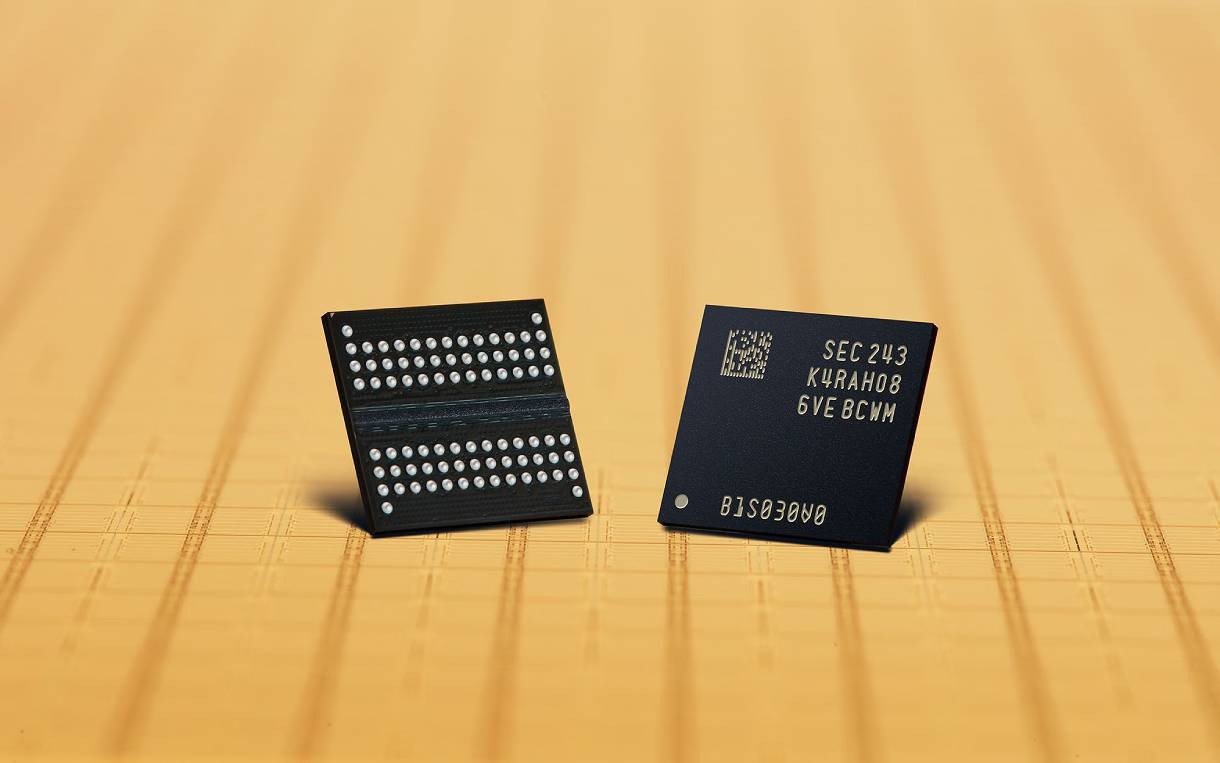
Samsung's semiconductor division is thriving precisely because of the same force crushing its phone business. Global AI demand has sent memory chip prices soaring, and Samsung's Device Solutions division is printing money on the back of that surge, with margins exceeding 52%. Revenue climbed 28% from Q1 alone.
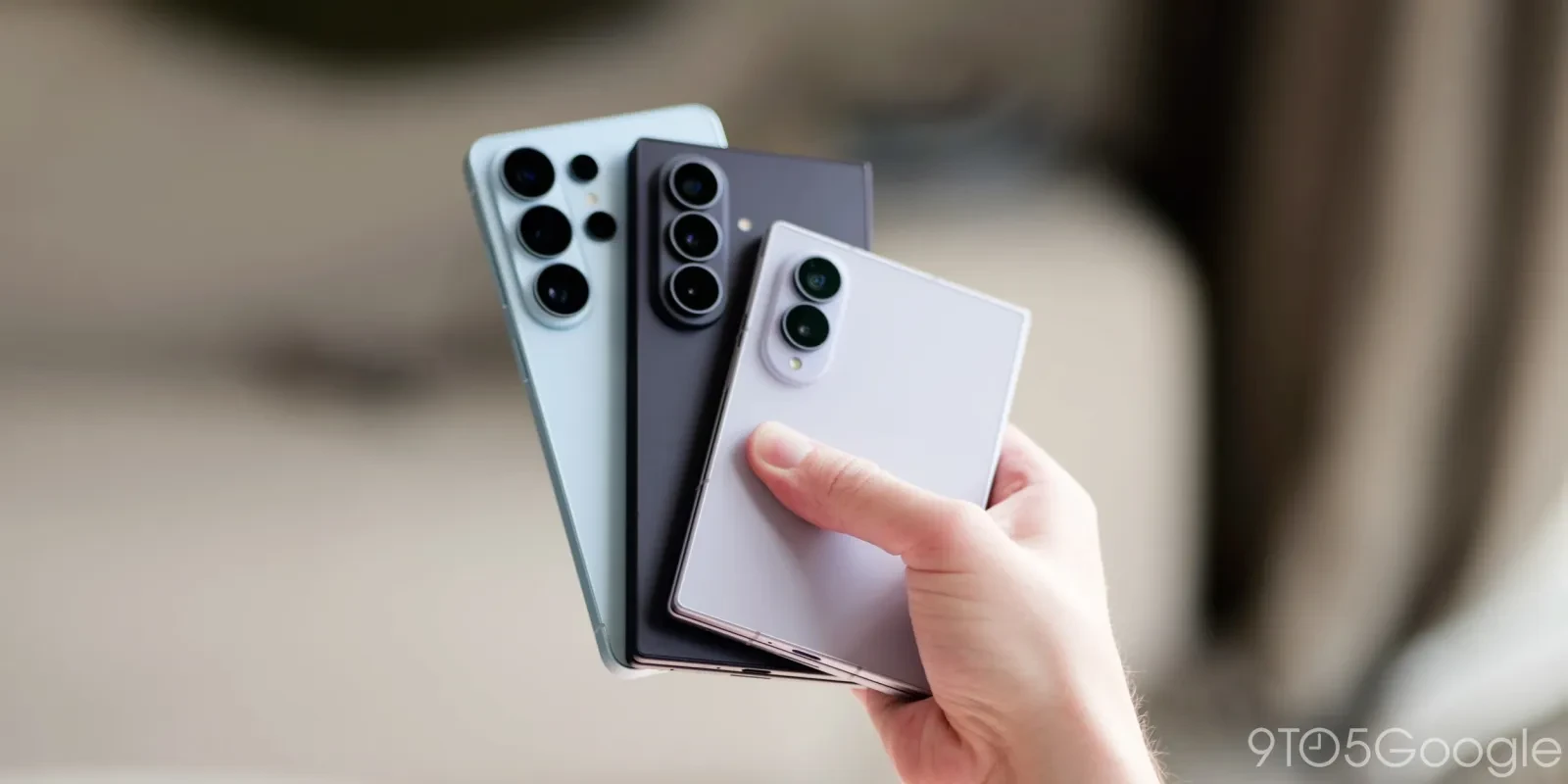
Meanwhile, the MX (Mobile eXperience) division — which builds the Galaxy S26, the recently launched Galaxy Z Fold 8, and the rest of the Galaxy lineup — posted an operating loss of approximately KRW 700 billion (~$476 million). For a division that has been consistently profitable for decades, this is uncharted territory.
The warning signs appeared back in April, when MX division head Roh Tae-moon cautioned internally about the potential for a full-year loss. Three months later, the prediction has materialized in the quarterly numbers.
The math is straightforward. DRAM and NAND flash memory are raw materials for Samsung's phone division but finished products for its chip division. As AI workloads consume an ever-larger share of global memory production, the commodity prices that pad semiconductor margins simultaneously eat into handset profitability. Samsung competes against Apple, Xiaomi, and others who face similar cost pressure but structure their businesses differently.
Despite the record profit headline, Samsung's stock fell 7% after the earnings release. Revenue missed analyst estimates, and investors appear concerned that Samsung can't fully capitalize on its vertically integrated structure when one half of the business is effectively subsidizing the other's losses.
For consumers, the implications extend well beyond Samsung. Smartphone prices across the industry will continue climbing through the second half of 2026, and Samsung — despite sitting on a semiconductor goldmine — has less room than expected to absorb the cost. The RAM crisis that was a forecast in April is now a line item on the balance sheet.
Samsung plans to outsource all DDR5 production to partners in India, Vietnam, and the Philippines, converting in-house lines entirely to HBM for AI.
Everyone expected Apple's foldable to drain Samsung's market. In South Korea, the opposite happened — and it wasn't loyalty that decided it.
Samsung's chip division is negotiating 7–10% price hikes on already-record memory prices. Chinese OEMs first, Apple in Q4.
Apple is redesigning its retail stores with dedicated Genius Bars returning, new pickup counters, and overhauled Avenue sections, per Bloomberg.
Organize your favorites into collections
Loading collections...
No collections yet. Create your first collection!