Google Plans Full Pixel Exit From Chinese Factories by 2027
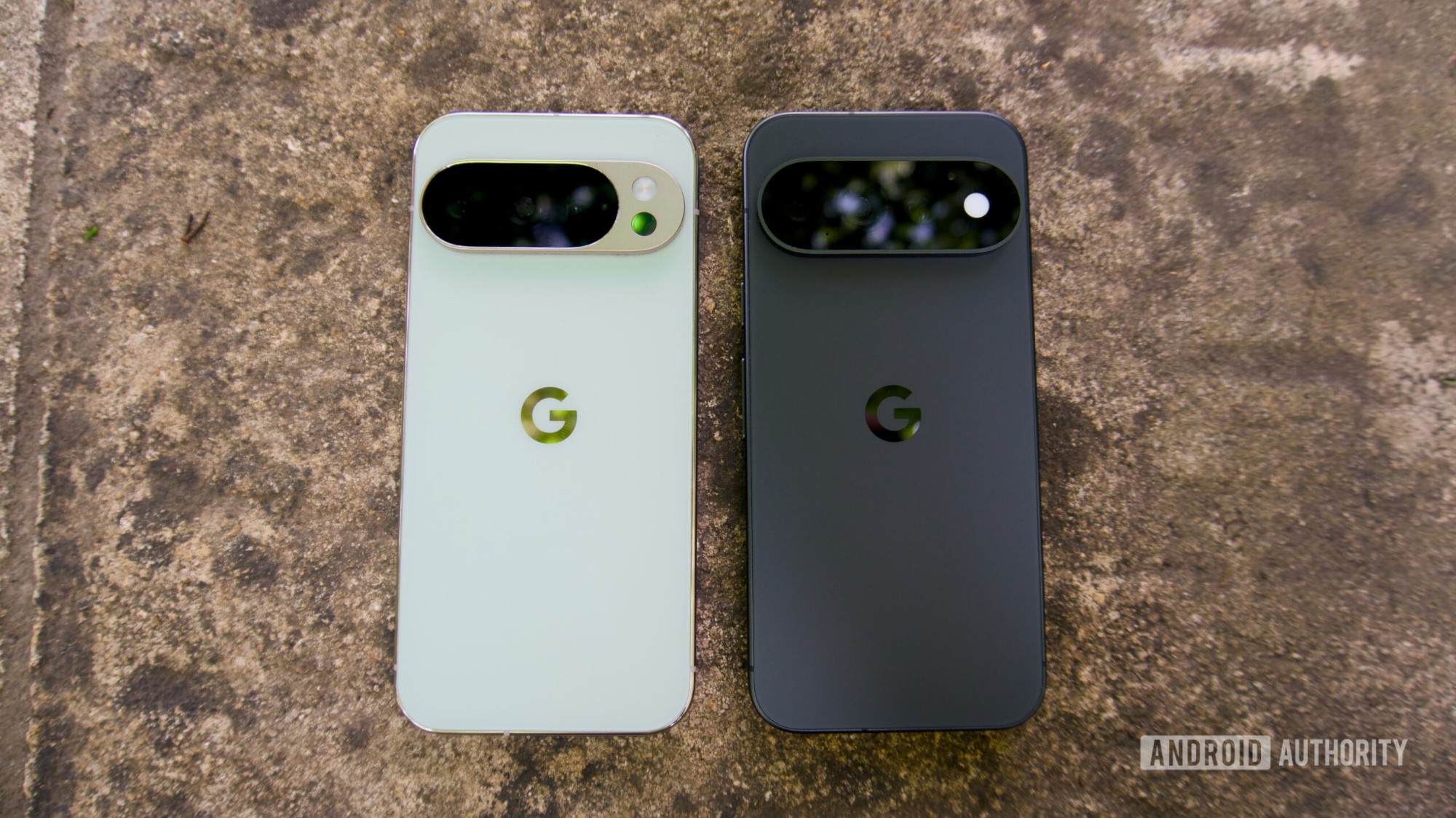
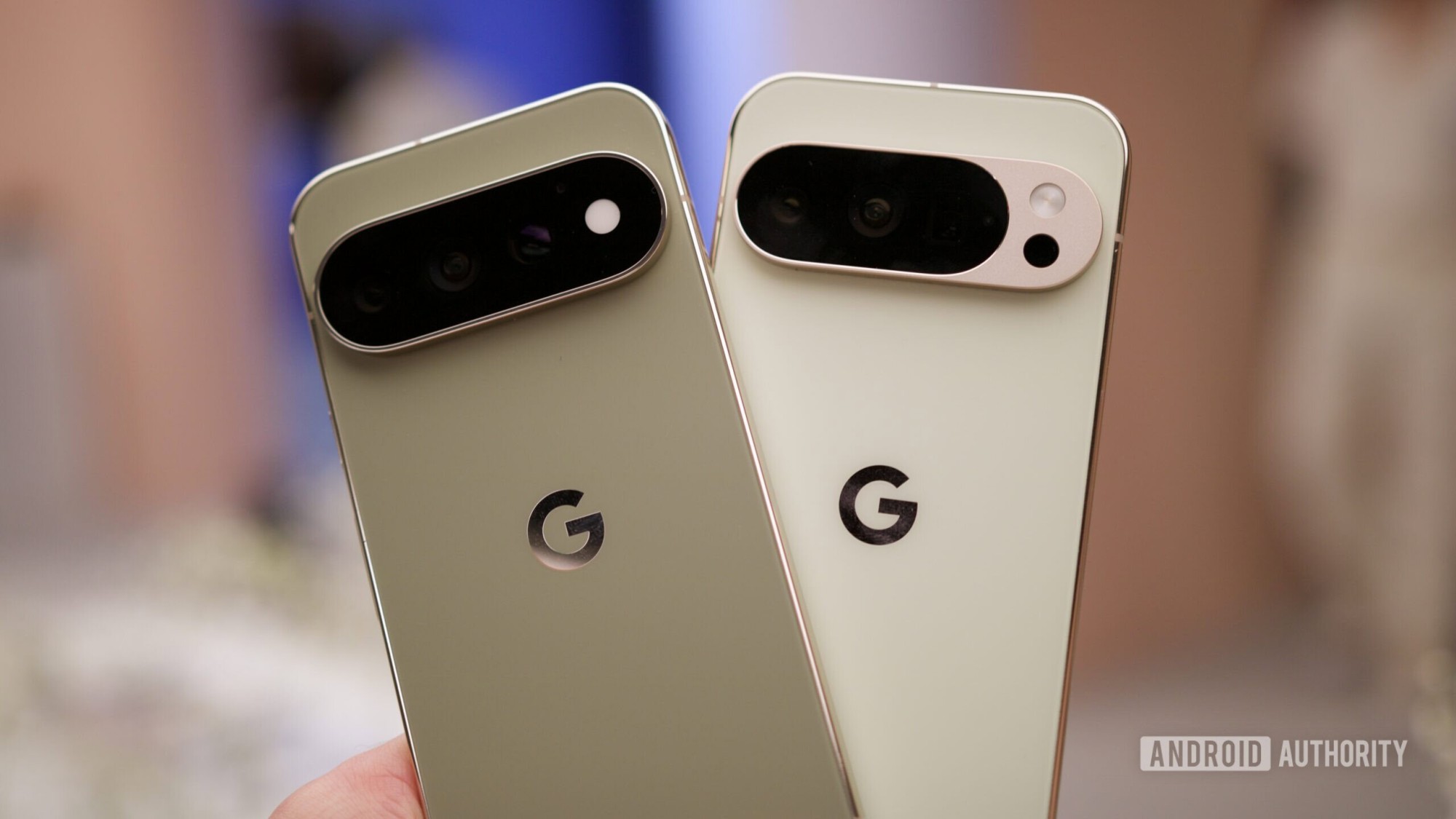
Vietnam's Pixel 11 production success gave Google the confidence to move all smartphones, watches, and earbuds out of China next year.

Qualcomm sent a letter to its customers on Friday confirming that Snapdragon chip prices will rise by double-digit percentages for any products shipped after September 1. The same day, Google confirmed the Pixel 11 will cost roughly $100 more than the Pixel 10 — and that it is cutting RAM on the Pro model to offset costs.
The letter to customers stated that Qualcomm has exhausted its ability to absorb rising supplier costs. The hike takes effect for chips shipped after September 1, which means every flagship Android phone launching this fall will carry higher component costs than its predecessor.
The timing is particularly significant. Qualcomm's Snapdragon Summit is scheduled for September 22, where the company is expected to announce the Snapdragon 8 Elite Gen 6. That chip is rumored to cost around $330 per unit, up from $240 to $280 for the current generation — a roughly 25% jump that phone makers will inevitably pass through to consumers.
Google's VP of Devices and Services, Shakil Barkat, spelled out the scale of the crisis in an interview this week. According to Morgan Stanley data he cited, the cost of one gigabyte of RAM surged from $2.80 in 2025 to $12 in 2026 — a sixfold increase that no phone maker can fully absorb.
The leaked European pricing from earlier this month already showed a roughly €100 increase across the Pixel 11 Pro and Pixel 11 Pro XL lineup. Google is softening the blow by doubling base storage to 256GB and eliminating the 128GB tier entirely. But the Pixel 11 Pro is also dropping from 16GB to 12GB of RAM — a visible trade-off that underscores how severe the memory shortage has become.
Barkat said Google has shielded consumers from price fluctuations for as long as possible, but can no longer continue doing so for new models. The company is also investing in making Android itself more memory-efficient, a tacit acknowledgment that cheaper RAM is not coming back anytime soon.
This is not a Qualcomm or Google problem. It is an industry-wide crisis driven by exploding AI infrastructure demand consuming global memory supply. Samsung's mobile division is heading toward its first-ever annual loss despite strong Galaxy S26 Ultra sales, and Apple raised prices across its Mac and iPad lines in June with iPhone increases expected this fall.
For consumers, the math is simple: every major Android phone launching after September will carry higher chip costs on top of already-inflated memory prices. The era of flagship Android phones under $1,000 may be drawing to a close — and budget and mid-range devices will not be immune either, since Qualcomm's price hike applies across its Snapdragon portfolio. The one potential pressure valve: MediaTek's Dimensity 9600 Pro, which targets the same 2nm performance tier at a reported 28% discount.
Vietnam's Pixel 11 production success gave Google the confidence to move all smartphones, watches, and earbuds out of China next year.
Google is testing Pixel 11's Proactive Assistance on the Pixel 10 in Android 17 QPR2 Beta 5. No guarantee it ships stable.
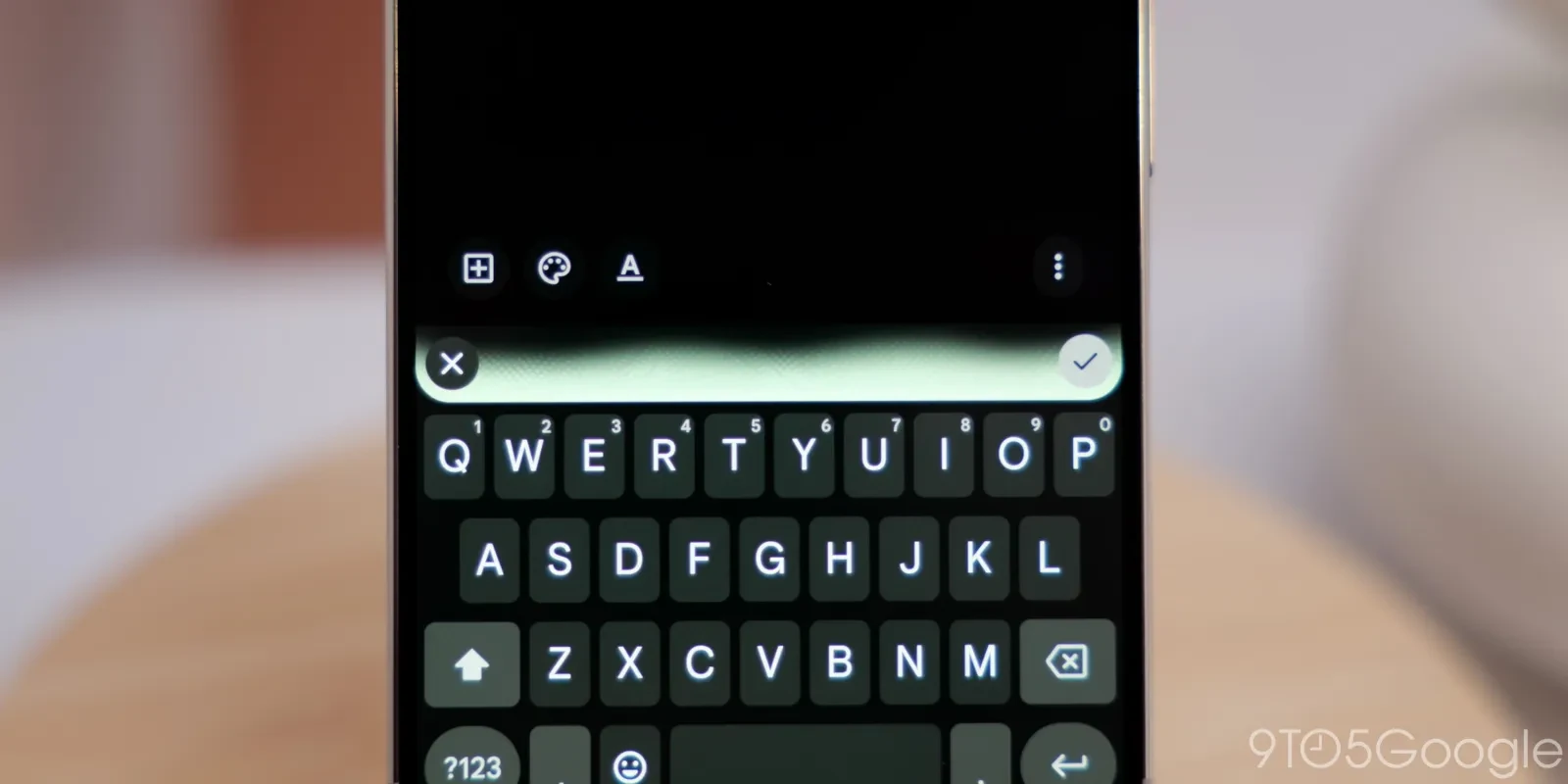
Microsoft's SwiftKey is testing an AI voice feature that mimics Pixel 11's Rambler for any Android phone — before Google expands it.
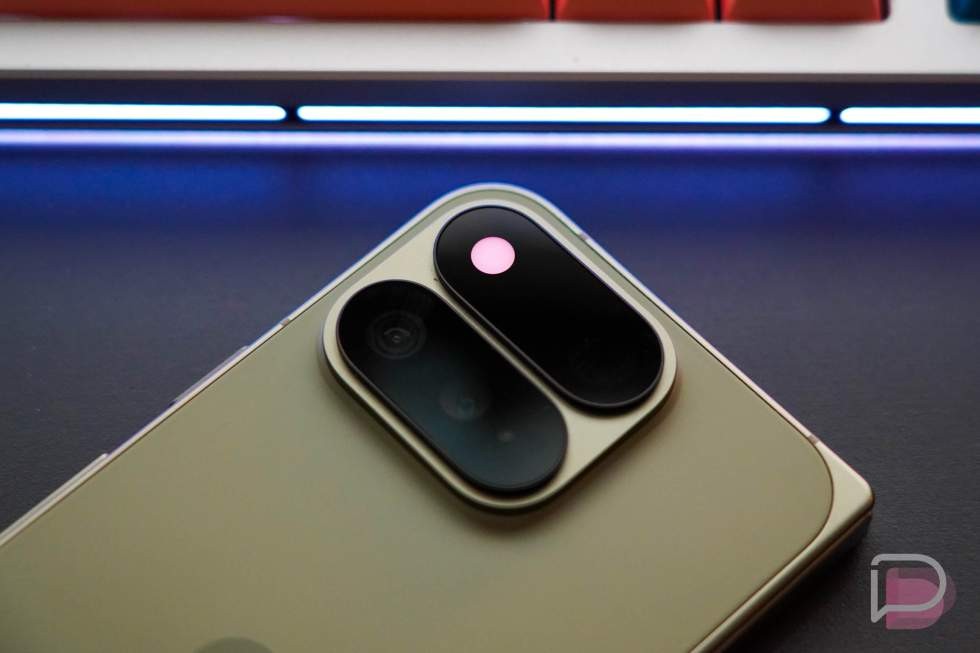
Google marketed HiLight as a camera bar upgrade. A month in, users call it useless — and the flashlight is dimmer than last year's.
Organize your favorites into collections
Loading collections...
No collections yet. Create your first collection!