Samsung Handing Off All DRAM to Focus on AI Memory
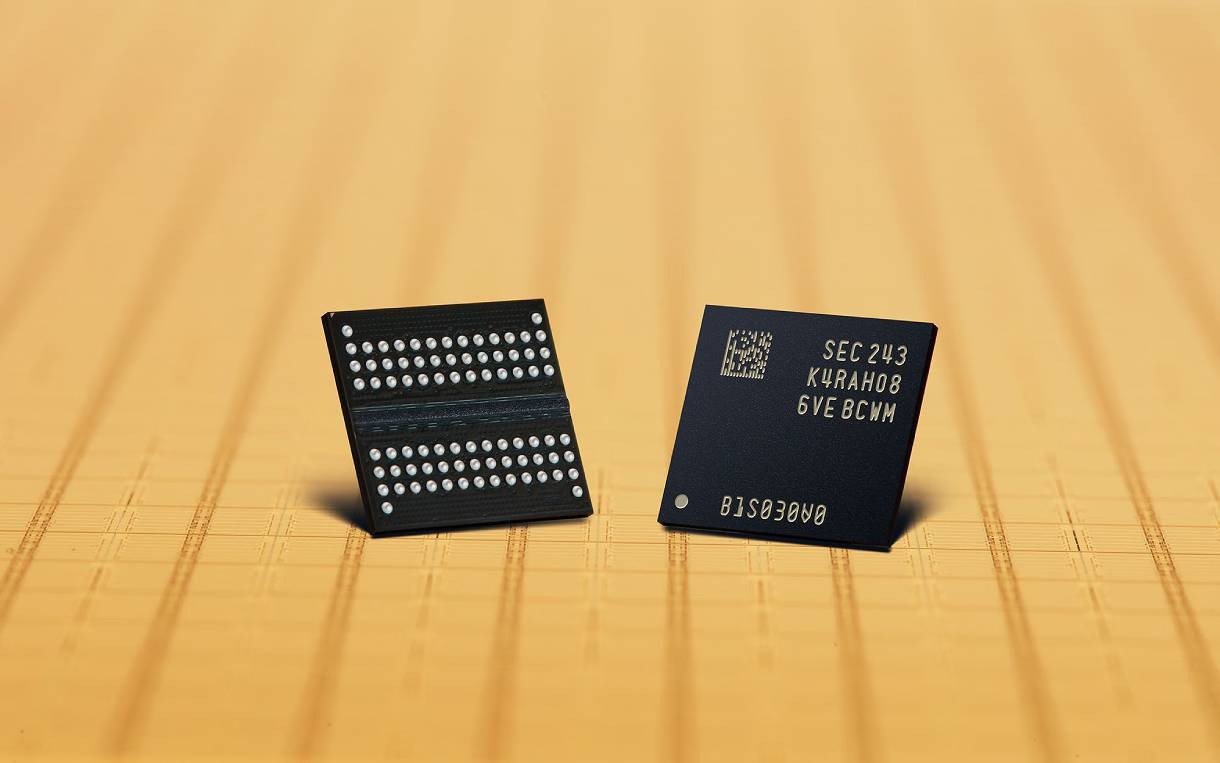
Samsung plans to outsource all DDR5 production to partners in India, Vietnam, and the Philippines, converting in-house lines entirely to HBM for AI.
Samsung's semiconductor division is negotiating 7–10% price increases on mobile DRAM and NAND flash chips, according to Korean publication Sisa Journal. The increases would hit prices that are already at record highs after a year of sustained hikes driven by AI demand.
Chinese smartphone manufacturers are first in line — negotiations are reportedly already underway. Apple will be approached in Q4, between October and December. Samsung's own mobile division (DX) is not exempt either: the DS (semiconductor) and DX (consumer electronics) divisions operate as separate business units, and the chip side charges market rates internally.
Apple may be the toughest negotiation. Analysts estimate Apple buys roughly twice as much NAND and three times as much DRAM for its smartphones compared to Samsung. That volume gives Apple significant leverage to push back on pricing — something the company has done historically.
Memory chip prices have climbed steeply throughout 2026, fueled by insatiable demand for high-bandwidth memory (HBM) chips used in AI data centers. Samsung, SK Hynix, and Micron — the three companies that control virtually all DRAM production globally — have all redirected capacity toward HBM, tightening supply for the smartphone-grade chips that go into every phone sold.
The result: phone makers are paying more per gigabyte at a time when storage and RAM capacities keep growing. A flagship phone with 16GB of RAM and 512GB of storage uses substantially more memory silicon than its predecessor, and each gigabyte now costs more to source.
Memory is one of the largest component costs in a smartphone. A 7–10% increase on DRAM and NAND would not translate directly to a 7–10% increase in retail price — but it adds pressure to margins at every tier. OEMs that absorb the cost lose profit; those that pass it on risk pricing out buyers in competitive mid-range segments.
Samsung itself is reportedly reviewing possible price increases on the Galaxy S26 series — phones already on sale for seven months. The memory cost pressure provides one explanation for that unusual mid-cycle move.
Samsung plans to outsource all DDR5 production to partners in India, Vietnam, and the Philippines, converting in-house lines entirely to HBM for AI.
Everyone expected Apple's foldable to drain Samsung's market. In South Korea, the opposite happened — and it wasn't loyalty that decided it.
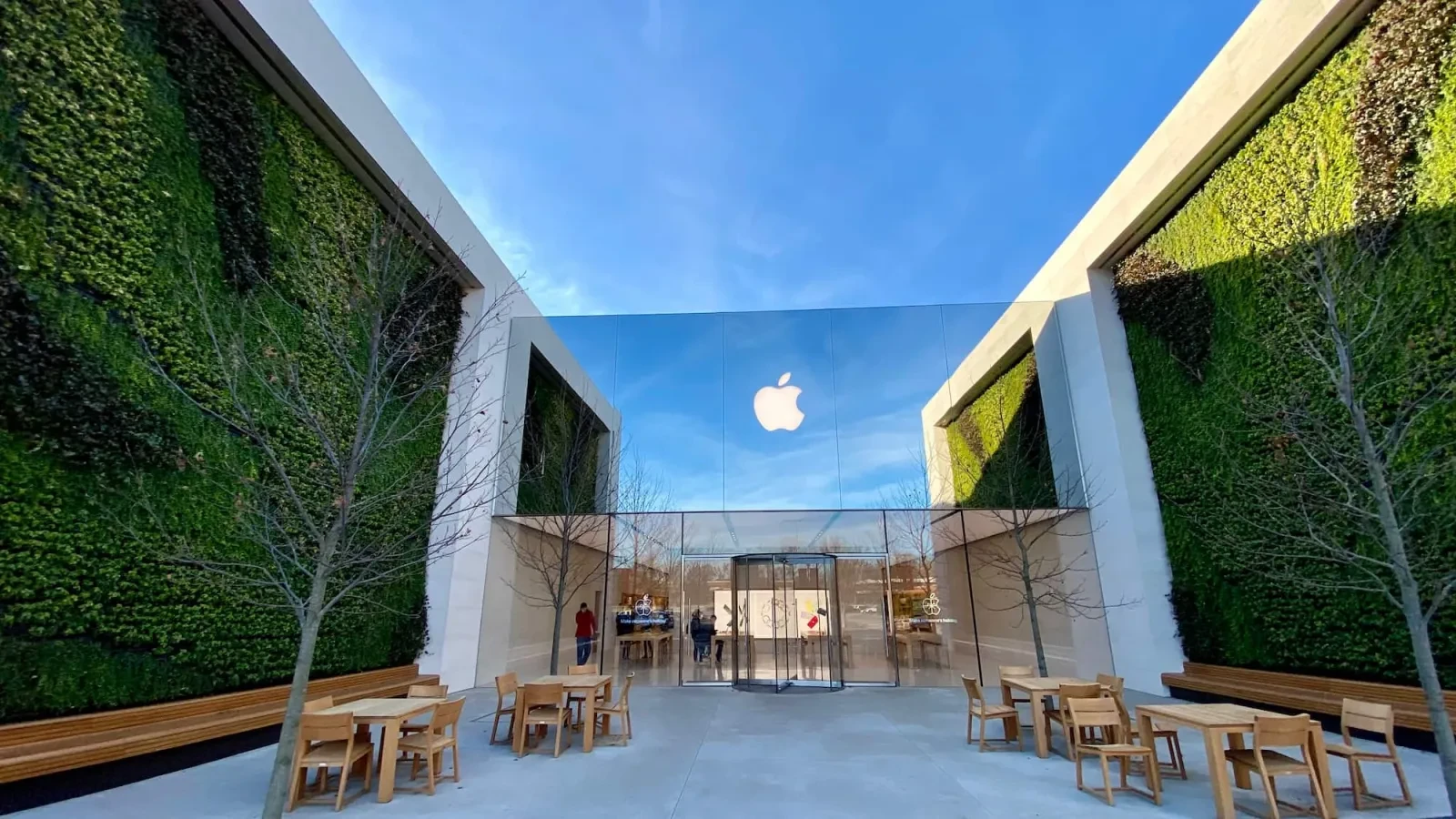
Apple is redesigning its retail stores with dedicated Genius Bars returning, new pickup counters, and overhauled Avenue sections, per Bloomberg.
New CEO Dan Schulman told investors he wants to end device deals. If Verizon follows through, your next flagship phone gets more expensive.
Organize your favorites into collections
Loading collections...
No collections yet. Create your first collection!